

Tensions between the United States and Iran intensified on Friday, July 17, 2026, after another round of military exchanges increased fears of a broader conflict across the Middle East.
According to multiple international reports, the United States carried out a new wave of airstrikes targeting infrastructure inside Iran, including bridges, energy facilities, and transportation sites. U.S. officials said the operations were part of an ongoing military campaign aimed at reducing Iran’s strategic capabilities.
Iran condemned the attacks and responded with missile and drone strikes against locations linked to U.S. allies in the Gulf region. Reports indicated that infrastructure in Kuwait was damaged, while several Gulf countries increased their security alert levels.
Strait of Hormuz Remains at the Center of the Crisis
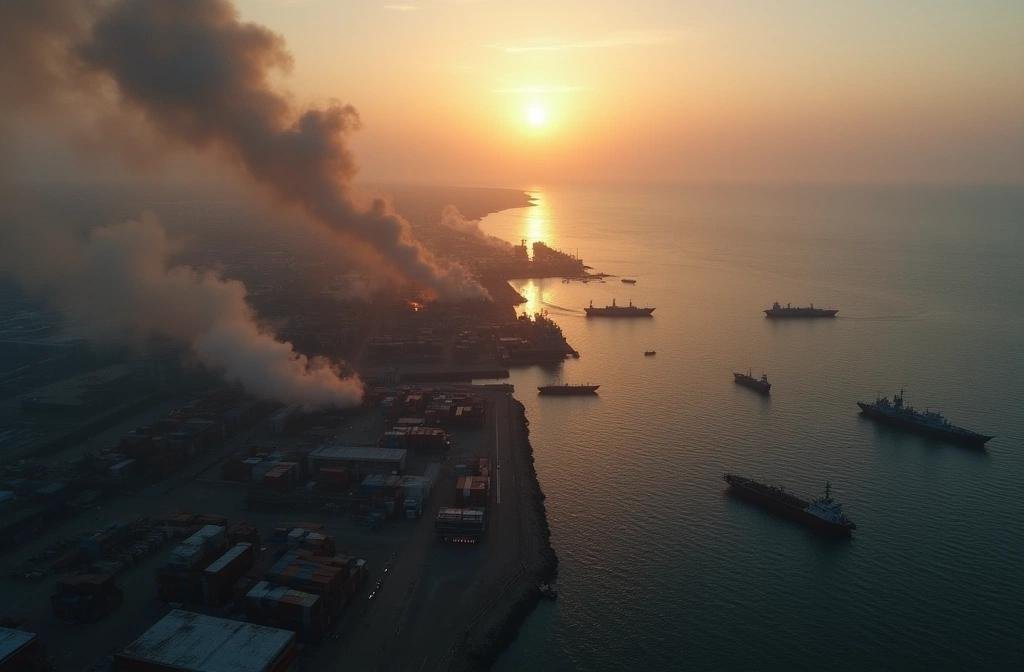
The Strait of Hormuz, one of the world’s most important oil shipping routes, remains a major source of concern. Military activity in and around the waterway has disrupted commercial shipping and raised fears of further interruptions to global energy supplies.
Several shipping companies have reportedly delayed or rerouted vessels because of the growing security risks, contributing to higher oil prices on international markets.
Regional Security Concerns
Governments across the Middle East continue to monitor the situation closely as concerns grow that additional countries could become involved if the fighting expands.
Military bases hosting American forces have strengthened defensive measures, while regional leaders continue diplomatic efforts aimed at preventing a wider conflict.
Humanitarian Impact
The continued military operations have reportedly caused casualties and damage to infrastructure inside Iran. Authorities are also warning of growing pressure on transportation, energy services, and civilian facilities as the conflict continues
Global Economic Effects
Financial markets reacted cautiously to the latest developments. Energy prices moved higher amid concerns that prolonged instability around the Strait of Hormuz could affect global oil exports and international trade.
Analysts warn that any further escalation could place additional pressure on energy markets and increase uncertainty for the global economy.
Outlook
Despite reports of indirect diplomatic contacts, there has been no confirmed breakthrough toward de-escalation. Military activity remains ongoing, and international observers continue to watch closely for signs of either renewed negotiations or further escalation in the coming days.